
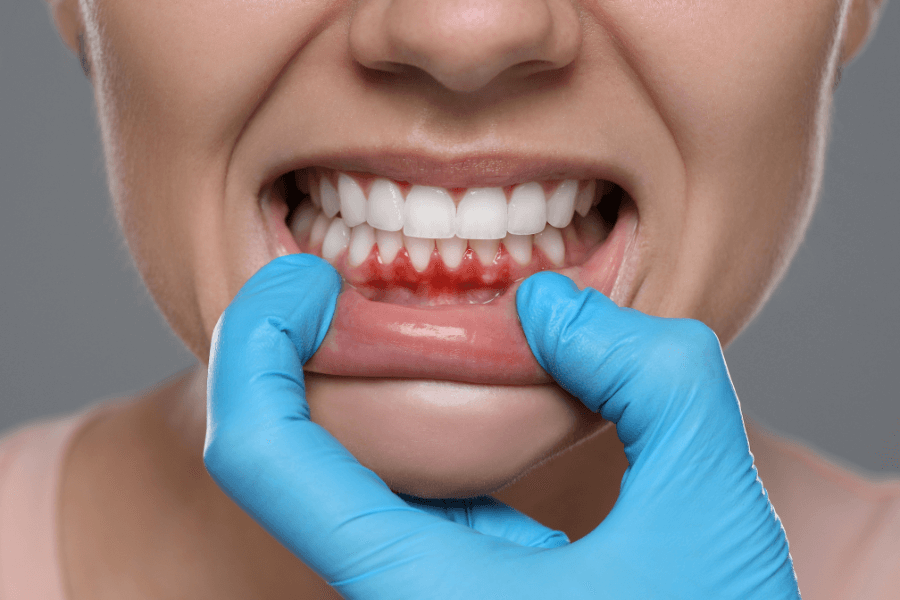
Bleeding Gums Are Never a Good Sign: Understand the Warning Your Body Is Sending
Bleeding gums are not normal — and could be a serious red flag.
It’s common for people to only pay attention to their gums when they hurt, swell, or bleed during brushing. However, what may seem like a minor nuisance can actually be an early sign of chronic inflammation and broader systemic imbalances in the body.
At Clínica Débora Ayala, we emphasize daily: healthy gums don’t bleed. Gum bleeding may indicate anything from mild gingivitis, caused by plaque buildup, to more complex conditions like periodontitis, which can lead to bone loss and, in severe cases, tooth loss.
But what many don’t know is that gum problems go far beyond the mouth.
What does science reveal about gum inflammation and overall health?
Recent scientific studies consistently show that gum disease is significantly associated with increased risks for cardiovascular and systemic diseases.
A 2023 review published in the Journal of Periodontology found that gum inflammation and tooth loss substantially raise the risk of heart disease, including heart attack and atherosclerosis.
In 2024, a study published in PLOS ONE reinforced this connection by showing that people with frequent gum problems also have a higher risk of stroke.
This link is explained by a key factor: chronic inflammation. When gums are continuously inflamed, oral bacteria and inflammatory mediators can enter the bloodstream and reach the heart, blood vessels, and other organs — silently contributing to dangerous inflammatory processes throughout the body.
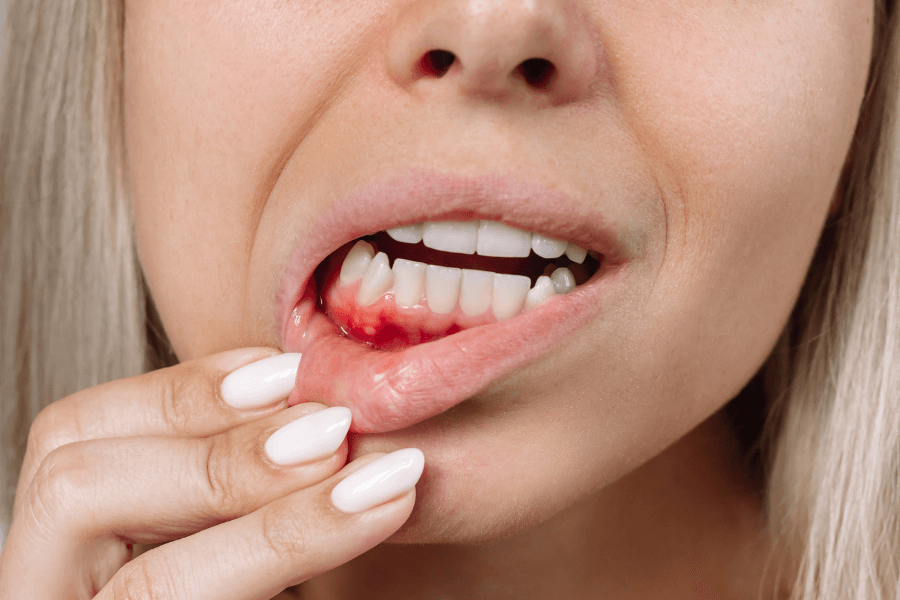
How to identify the warning signs?
The most common symptoms that something is wrong with your gums include:
- Bleeding when brushing or flossing;
- Persistent swelling and redness;
- Constant bad breath;
- Metallic taste in the mouth;
- Gum recession (teeth appear “longer”);
- Gum sensitivity or pain.
Even without pain, any of these signs require professional attention. Many periodontal diseases are asymptomatic in early stages, which makes early diagnosis even more crucial.
Gum health is more than just aesthetics — it’s about life-long care
Taking care of your gums is not just a matter of appearance or comfort. It’s about preventing serious illness, supporting immune function, and promoting overall well-being.
The oral cavity is a gateway to the body. Inflamed gums weaken this natural barrier, allowing harmful agents to enter and increasing health risks — especially for those with high blood pressure, diabetes, autoimmune diseases, or genetic predispositions.
Additionally, hormonal imbalances, pregnancy, chronic stress, and poor diet can exacerbate gum inflammation, requiring a more personalized and compassionate treatment approach.
The role of the dentist goes far beyond cleaning
At Clínica Débora Ayala, we believe that modern dentistry is preventive, welcoming, and integrative. Dentists don’t just treat symptoms — they investigate causes, lifestyle habits, emotional health, and how your overall well-being impacts your mouth.
Routine check-ups, professional cleanings, guidance on proper hygiene techniques, and the use of personalized products are part of a comprehensive and individualized care plan.
In cases of gingivitis or suspected periodontitis, clinical exams and x-rays can assess the extent of bone loss and gum damage — always with a focus on tooth preservation and reversing the inflammatory process.
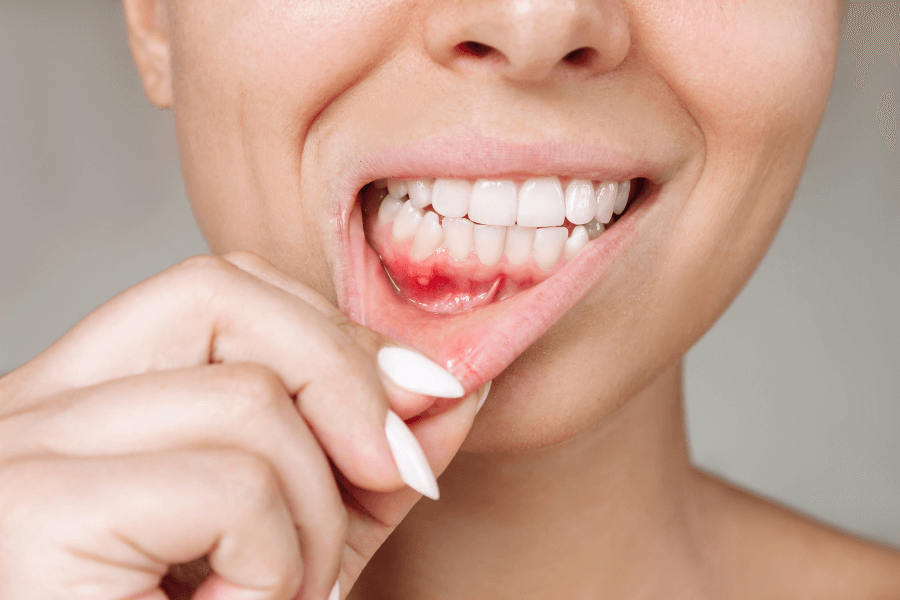
And if your gums keep bleeding?
Persistent bleeding is a sign of urgency. Ongoing gum inflammation can lead to irreversible damage, compromising the bone that supports your teeth and requiring more complex treatments.
Timely, responsible care with specialized monitoring is key. Take care of yourself. Your smile — and your health — will thank you.
Your Health Starts with Your Gums
At Clínica Débora Ayala, we offer a compassionate and thorough approach to oral health. Every symptom is an opportunity to listen to what your body is telling you. And every act of prevention is a step closer to a healthier, more balanced life.
Get in touch and schedule your evaluation with our team and discover how small actions can transform your oral and systemic health.
Read Also
