

Adriano Toloza’s case and the importance of the correct diagnosis in severe bruxism
When the pain is not only in the tooth…
Neck pain, frequent headaches, a feeling of tiredness upon waking, progressive tooth wear, and a smile that no longer responds to time in the same way. Many times, these signs appear in a scattered way, as if they were unrelated. The patient treats one pain here, controls one symptom there, changes one habit elsewhere, but still does not understand the real origin of the problem.
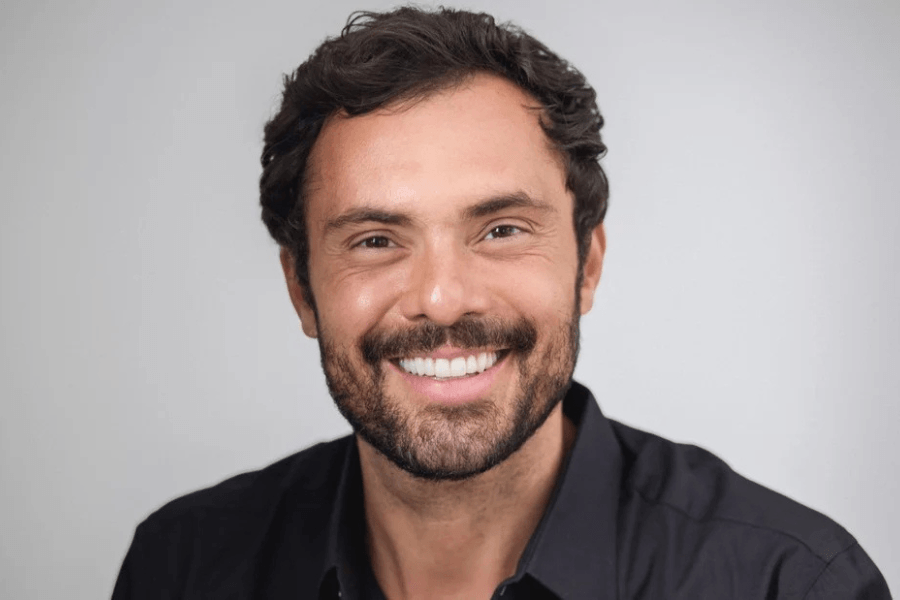
That was exactly the kind of journey that marked actor Adriano Toloza’s case. For years, he lived with intense pain and severe tooth wear until he received the diagnosis of severe bruxism and began a treatment centered not only on dental protection, but on a global understanding of what his body was expressing.
At Clínica Debora Ayala, this kind of case reinforces an important belief: consistent treatment does not begin with the procedure. It begins with the diagnosis. And in the case of bruxism, that makes all the difference.
Bruxism is not just grinding your teeth
Many people still associate bruxism only with the act of grinding teeth during sleep. But the clinical reality is more complex. Bruxism is a repetitive activity of the chewing muscles, which can manifest both during sleep and while awake, through clenching or grinding the teeth.
In practice, this means that the patient may spend hours subjecting the teeth, muscles, joints, and supporting structures to excessive load, often without realizing it. When this process continues over time, the body begins to respond with clear signs of overload.
The problem is that these signs are not always immediately recognized as part of the same condition. Headaches may be treated as isolated neurological issues. Facial pain may be mistaken for ordinary muscle tension. Recurrent dental fractures may seem like mere “fragility” of the tooth or restoration. And so, the condition progresses in silence.
The body speaks before structural collapse
In Adriano Toloza’s case, severe bruxism was not limited to mild wear. There was constant pain, sleep impairment, significant headaches, cervical discomfort, and profound tooth wear, with repercussions on the anatomy of the smile and gingival recession.
This is an essential point: bruxism does not only compromise dental aesthetics. It can alter chewing function, change tooth height, overload the facial muscles, generate TMJ pain, affect sleep quality, and, over time, change the way the patient chews, speaks, and even perceives themselves.
Many times, when the patient seeks help, the body has already been trying to compensate for a long time. The organism adapts as best it can, but there comes a point when adaptation comes at a cost.
When tooth wear is only the visible part of the problem
Tooth wear caused by bruxism should not be seen only as an aesthetic change. When the teeth lose structure, there is a real change in the functional balance of the mouth. Enamel, which is the tooth’s most resistant layer, is gradually worn down. Dentin may become exposed. The bite changes. The muscles need to work in a different way. And the entire system becomes unbalanced.
In more advanced cases, this wear can lead to frequent fractures, sensitivity, gingival recession, loss of restorations, joint overload, and difficulty maintaining functional comfort. That is why simply “making a splint” or only restoring what was lost does not always solve the problem at its source.
Without understanding why that patient clenches, how they clench, in what context it happens, and which structures have already been compromised, any intervention runs the risk of being only partial.
The right diagnosis changes everything
At Clínica Debora Ayala, cases of severe bruxism are evaluated within a broader framework. This means that the diagnosis is not limited to looking at worn teeth and indicating mechanical protection. It involves reading structure, function, bite pattern, muscle behavior, clinical history, signs of overload, sleep quality, and possible systemic associations.
In some patients, bruxism is strongly related to chronic stress, anxiety, and hypervigilance. In others, it may coexist with breathing alterations, sleep apnea, reflux, or joint dysfunctions. There are also genetic factors, lifestyle habits, and postural patterns that need to be taken into account.
This deeper perspective is what makes it possible to distinguish palliative treatment from truly transformative treatment. Because when the mechanism behind the symptom is understood, the plan stops being generic and becomes individualized.
Treating the smile without forgetting the body
The approach adopted by Dr. Debora Ayala in Adriano Toloza’s case starts precisely from this perspective of Integrative Systemic Dentistry. This means treating the smile within the context of the body, not separately from it.
When there is significant loss of tooth structure, rehabilitation needs to restore not only aesthetics, but also function. Recovering the original size of the teeth, reorganizing the bite, and relieving muscular overload is not just a visual matter. It is about giving the patient back the ability to chew with balance, rest better, feel less pain, and recover quality of life.
That is why modern bruxism treatment goes far beyond the stabilizing splint. The splint can be a valuable resource in many cases, especially for protection and overload control. But it does not replace the need for diagnosis, nor does it solve all the factors involved on its own.
Depending on the case, treatment may include functional rehabilitation, occlusal adjustments, behavioral guidance, multidisciplinary follow-up, and investigation of factors associated with sleep and breathing. The goal is not only to prevent the tooth from wearing down further. It is to reorganize the system so that it can function again with greater balance.
Pain, sleep, and quality of life
One of the most important parts of this kind of treatment is realizing that the gain goes far beyond the mouth. When the patient reports improved sleep quality, reduced pain, relief from headaches, and a more constant sense of well-being, it becomes clear that the smile was never an isolated issue.
In Adriano’s case, the improvement reported in sleep and the absence of pain show exactly that: by restoring function, harmony, and balance, quality of life is also being treated. And that may be one of the greatest distinguishing factors of a kind of dentistry that is not limited to the procedure alone.
The patient does not just want to “stop grinding their teeth.” They want to live better. They want to wake up without pain. They want to smile without discomfort. They want to trust their own body again. And that only happens when treatment is conducted with depth.
The signs that deserve attention
Many people live with bruxism without knowing it. Others suspect it, but believe that “it’s nothing serious.” The problem is that, when ignored, it tends to progress.
Some signs usually deserve special attention: visible tooth wear, the sensation of clenching during the day, repeated fractures in teeth or restorations, facial pain upon waking, frequent headaches, TMJ discomfort, neck pain, and worsening sleep quality. In some cases, a spouse or partner notices the nighttime grinding before the patient does.
The earlier this condition is identified, the greater the chance of managing the case with more structural preservation and less functional impact.
What Adriano Toloza’s case teaches us
Adriano’s case is not noteworthy only because it involves a well-known actor. It stands out because it represents a very common reality: people who spend years treating disconnected symptoms without truly discovering the root of the problem.
It shows that a smile may be asking for help long before a visible collapse occurs. It also shows that tooth wear is not just “wear,” but often the reflection of systemic and functional overload. And above all, it reinforces that the path to improvement goes through a careful, individualized, and responsible evaluation.
At Clínica Debora Ayala, this is the foundation of the work. Before any technique, there is listening. Before any procedure, there is diagnosis. Before thinking only about aesthetics, there is a commitment to restoring function, balance, and predictability over time.

When to seek help
If you wake up with facial pain, experience frequent headaches, notice that your teeth are wearing down, have repeatedly broken restorations, or feel that your bite has changed, this is an important sign to seek evaluation.
Bruxism is not just a habit. In many cases, it is the manifestation of an overloaded system. And the earlier this is understood, the better the treatment response tends to be.
Take care of your smile with depth at Clínica Debora Ayala
At Clínica Debora Ayala, each case is analyzed beyond the surface. The goal is not only to treat the visible consequence, but to understand the origin of the imbalance and build a care plan that respects your structure, your function, and your story.
If you suspect severe bruxism, experience recurring pain, or notice signs of wear in your smile, get in touch and schedule a personalized consultation. The right treatment begins when the diagnosis finally sees the whole picture.
Dr. Debora Ayala – CRO 41.974/SP
Read Also
